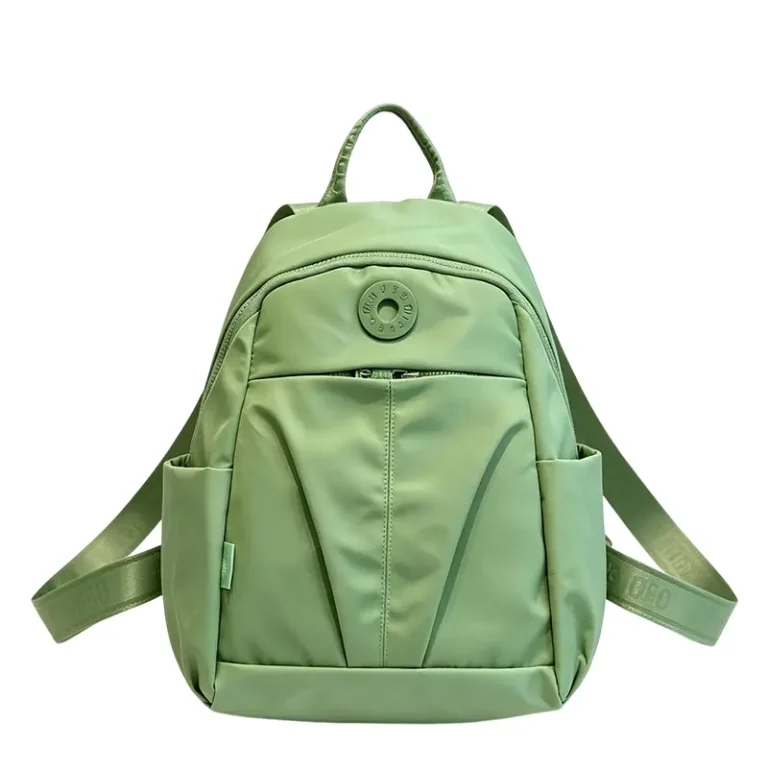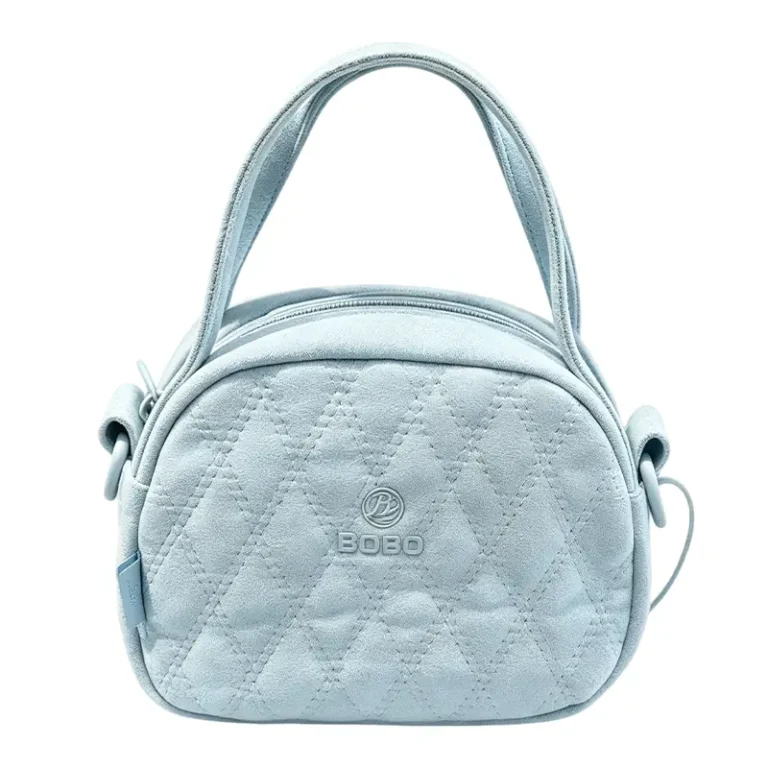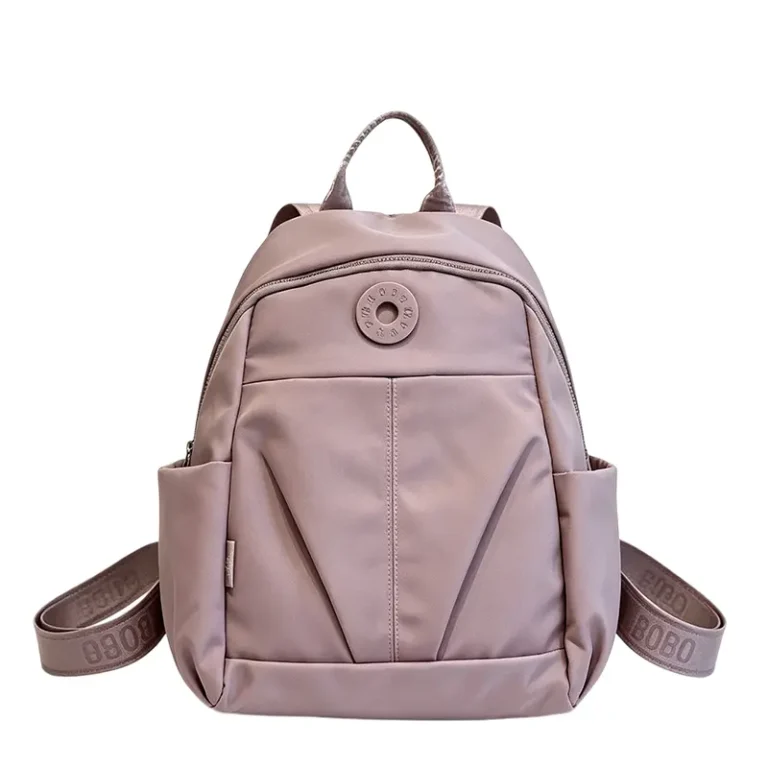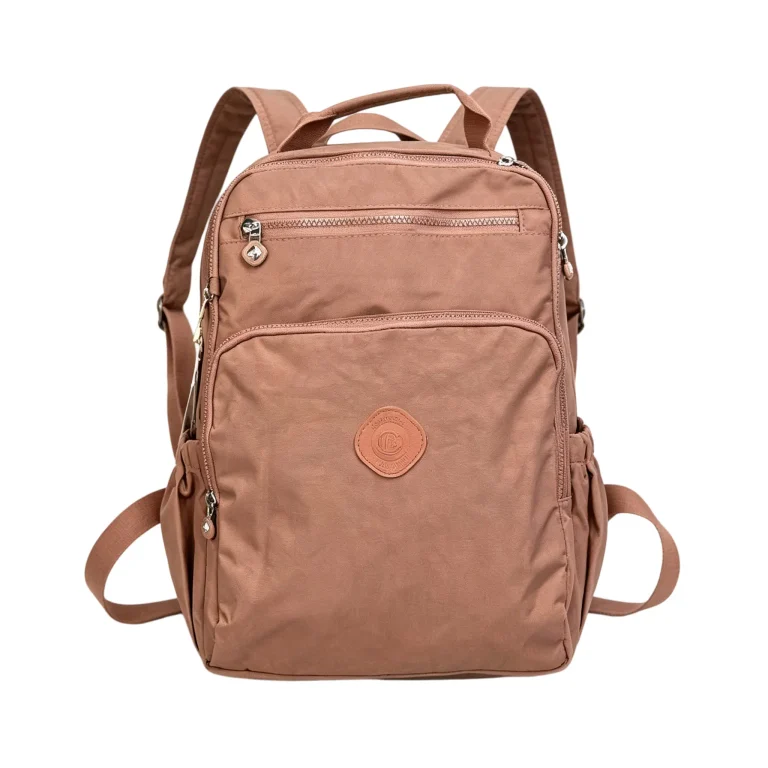
If you had said “canvas bags are fashion items” in 2005, you would likely have been laughed at. But today, from Paris Fashion Week to the streets of Harajuku in Tokyo, from the MoMA Design Store in New York to Xiaohongshu styling influencers, cloth bags have completed a gorgeous transformation from “utility tool” to “trend symbol.” This upgrade journey spans nearly two decades of fashion evolution.
1. Origins: From Work Gear to Environmental Manifesto
The “trendification” of canvas bags traces back to the early 2000s. At that time, the environmental movement was gaining momentum in Europe and America, and “saying no to plastic bags” became a lifestyle statement. A plain cotton canvas tote, thanks to its reusable and biodegradable properties, was seen by environmentalists as the “right choice.” In 2007, British designer Anya Hindmarch launched the famous “I’m NOT a Plastic Bag” canvas tote, priced at £5. On launch day, queues stretched around the block, and resale prices on eBay soared to hundreds of pounds. This was the first time a cloth bag took the fashion stage as a “trend item.”
2. Street-ification: Skateboard Culture and Harajuku Aesthetics
What truly gave cloth bags their “trend DNA” was street culture. In Harajuku, Tokyo, skateboarders and independent brand designers treated canvas bags as the “lowest-cost creative medium.” Brands like Tokyo Hardcore, HUMAN MADE, and BAPE began printing bold graphics and slogans on canvas totes, incorporating them into streetwear systems. The creases, fading, and wear of canvas bags became an aesthetic of “patina” — the older, the more characterful; the more used, the more storytelling.
This “beauty in aging” philosophy was the polar opposite of leather bags’ pursuit of “timeless newness,” yet it struck the aesthetic sweet spot of Gen Z: authentic, unforced, warm.
3. Premium-ification: Luxury Brands Enter the Game
In the mid-2010s, an interesting phenomenon emerged: luxury brands began incorporating canvas bags into their product lines.
• Marc Jacobs’ Canvas Tote became a fashion editor’s commute staple;
• Saint Laurent’s Shopping Bag featured minimalist canvas design at four-figure prices;
• Bottega Veneta even wove craftsmanship into cloth bag design, blurring the line between “cheap” and “luxurious.”
This “contrast aesthetic” — using the humblest material to carry the highest brand premium — became a narrative strategy of contemporary fashion. Canvas bags were no longer just “cheap goods” but were redefined as “a minimalist attitude toward life.”
4. Social-ification: The Catalyst of OOTD Culture
In the social media era, canvas bags experienced an entirely new trend explosion. The rise of OOTD (Outfit of the Day) culture elevated “bags” from accessories to outfit protagonists. Canvas bags shone on social media for three reasons:
1. Visual cleanliness — plain canvas totes don’t compete with the outfit, letting the styling speak;
2. Personality expression — printed text directly conveys attitude (“Stay Weird,” “Nevertheless She Persisted”);
3. Scene versatility — coffee shops, libraries, parks, subways — photogenic everywhere.
5. Guochao-ification: Local Expression by Chinese Designers
In recent years, Chinese local design forces have also flexed in the cloth bag space. From the Palace Museum’s “Imperial Intent” series to independent brands like “ensooutfitters” and “EYESTORE” with their minimalist designs, cloth bags have become carriers of Guochao (China-chic) aesthetics. These designs fuse Eastern negative-space aesthetics with street sensibility, forming a unique “Chinese minimalism” style that resonates widely with young consumers.
6. The Core Trend Attribute: Malleability
The reason cloth bags maintain their trend attributes is their core quality of “malleability” — they are the most easily redefined of all bag types. Change the print, change the cut, change the stitching, and it can shift from street to literary, from minimalist to retro, from eco to luxury. This “identity fluidity” means cloth bags are never trapped in any single trend framework.
A canvas bag is the “blank page” of fashion — it is nothing in itself, but it can become anything.
Conclusion
From environmental manifesto to street symbol, from luxury shelves to social media feeds, cloth bags completed a triple identity leap over nearly two decades. Their trend attributes do not stem from any fixed quality but from their infinite re-definability. In an era of accelerating change, that quality itself is the strongest trend of all.