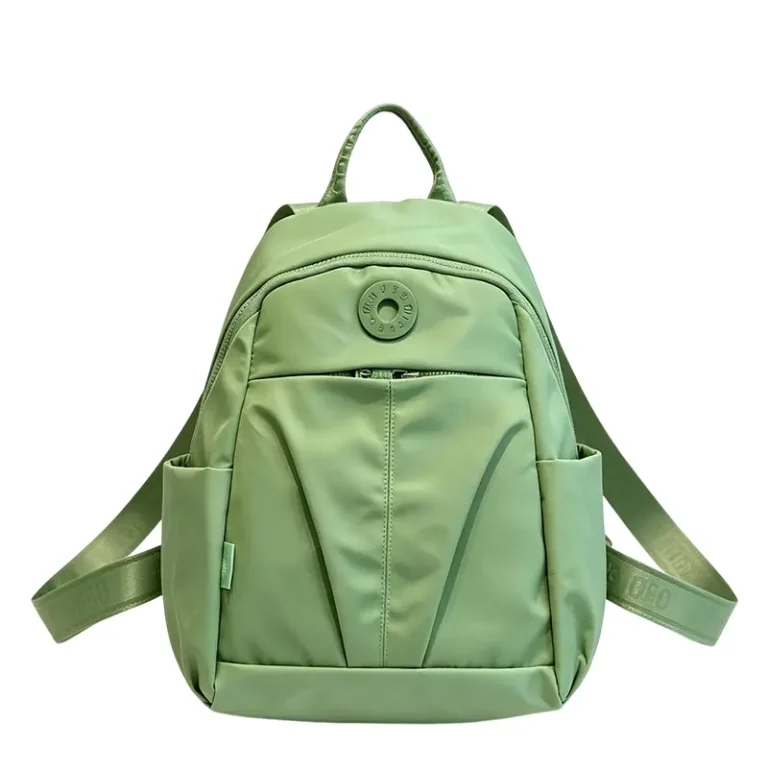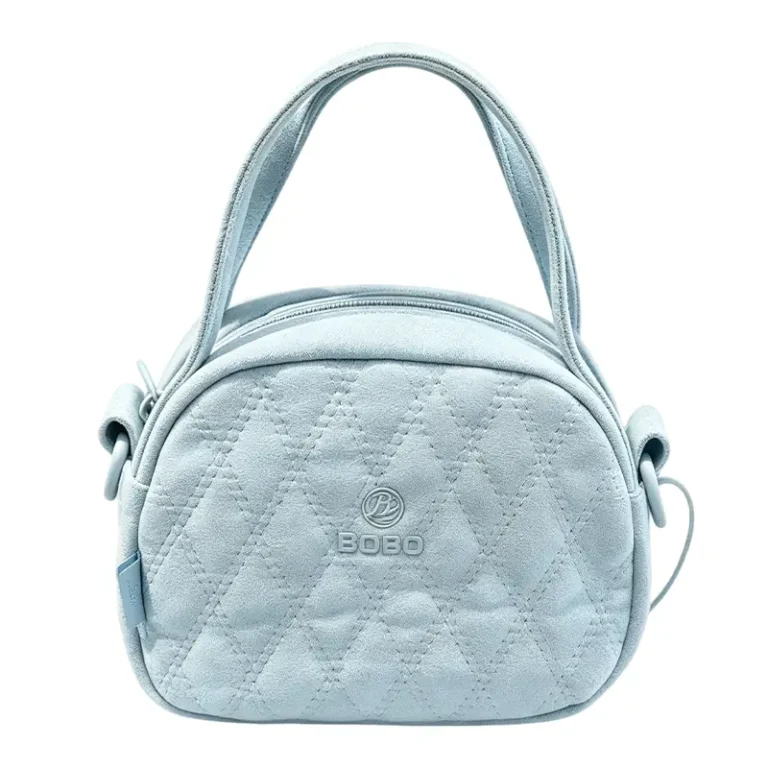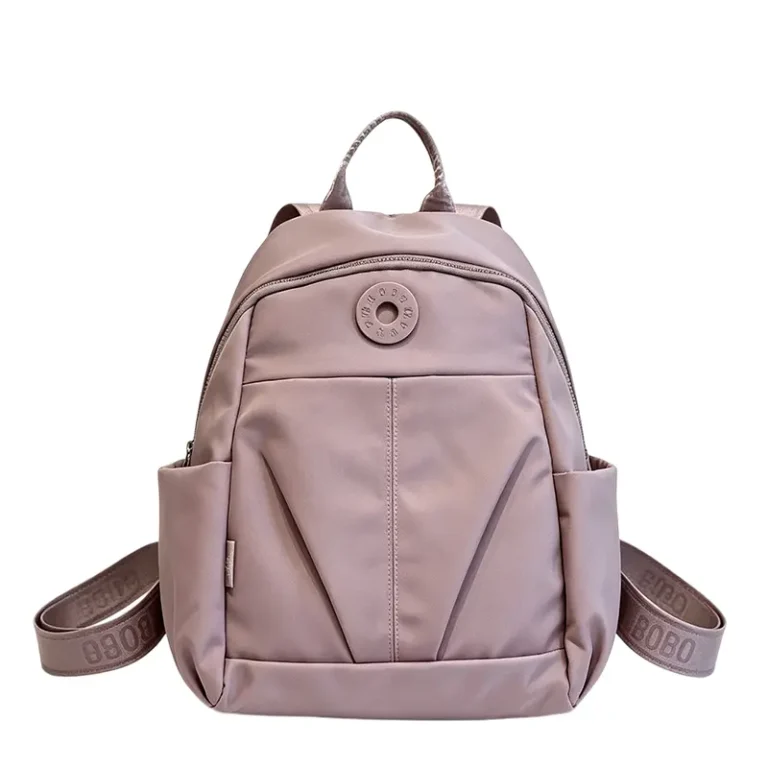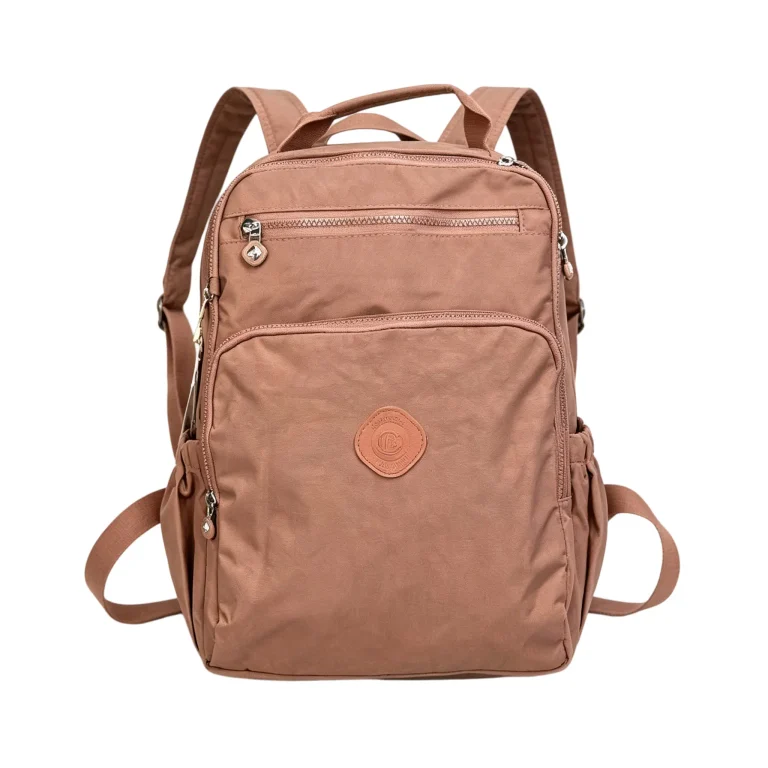
As “sustainable fashion” transitions from concept to mainstream, cloth bags are seen as one of the most emblematic items in this green revolution. But the sustainability narrative surrounding cloth bags is far more complex than “use one less plastic bag.” We need a rational examination: Are cloth bags truly eco-friendly? Where does their sustainability value actually lie?
1. Where the Eco-Narrative Comes From
The “green halo” of cloth bags stems from three dimensions:
• Reusability — a canvas bag can be used for months or even years, theoretically slashing single-use plastic bag consumption;
• Biodegradable material — cotton canvas can be broken down by microorganisms in natural environments, unlike polyethylene which forms permanent microplastics;
• Low processing energy — compared to leather tanning or synthetic fiber petroleum refining, the cotton processing chain is relatively short.
These three dimensions form the cognitive foundation of “cloth bag = green” in consumers’ minds.
2. Controversy: The Truth About Carbon Footprint
However, a 2018 study by the Danish Ministry of Environment and Food sparked widespread debate. The study found that an organic cotton canvas bag must be used 7,100 times for its full lifecycle carbon footprint to break even with a single-use plastic bag. If used only 52 times (once a week for a year), the canvas bag’s environmental impact actually exceeds that of a plastic bag.
The core reason lies in cotton cultivation’s high water consumption and organic cotton’s low yield. The global cotton industry consumes approximately 2.6% of the world’s water usage, and organic cotton yields 20-50% less per unit area than conventional cotton. This means each canvas bag’s “environmental cost” is far higher than intuitive expectations.
3. Resolution: It’s Not About Material, It’s About Usage
This study does not negate the environmental value of cloth bags; rather, it reveals a crucial logic: the sustainability of a cloth bag depends not on “what it is” but on “how it’s used.”
A truly eco-friendly cloth bag usage pattern should exhibit these characteristics:
1. Long-term use — a canvas bag must be used for 2+ years to deliver real plastic-reduction benefits;
2. High-frequency carry — build the habit of carrying it always, rather than “buy it, forget it at home, buy another”;
3. Multi-functional substitution — one bag replaces shopping bags, backpacks, storage bags, and other single-use items;
4. Responsible disposal — donate, upcycle, or recycle old bags rather than discarding them.
4. From “Product Sustainability” to “System Sustainability”
The sustainability value of cloth bags should extend beyond the “product level” to the “system level.” Forward-thinking brands are exploring deeper sustainability practices:
• Recycled cotton fabrics — making cloth bags from regenerated fibers from old clothing, reducing raw-material environmental burden;
• Localized production — shortening the transport chain and reducing logistics carbon emissions;
• Transparent supply chains — disclosing cotton origins, dyeing factories, and labor conditions for consumer oversight;
• Repair and take-back programs — offering free mending services or old-bag buy-back discounts to extend product lifecycles.
5. The Consumer’s “Green Filter” and Cognitive Bias
It’s worth noting that the eco-narrative of cloth bags can also become a tool for “greenwashing.” When fast-fashion brands use “eco canvas bags” as a gimmick to mass-produce low-price bags, they are actually manufacturing another form of overconsumption. Consumers need to be wary of the psychological trap of “using eco-consumerism to relieve consumption guilt” — buying piles of canvas bags but never truly using them long-term is actually less eco-friendly than occasionally using plastic bags.
True sustainability is not “buy an eco bag” but “buy less, wear more, use longer.” The value of a cloth bag lies in being worth using for a long time.
6. The Unique Position of Cloth Bags in Sustainable Fashion
Despite the controversies, cloth bags still hold an irreplaceable position in the sustainable fashion ecosystem:
• They are the lowest-barrier entry point for the public to engage with sustainable consumption;
• They are the most intuitive carrier for brands to communicate sustainability values;
• They are a practice ground for consumers to build “long-term use” habits.
The key is evolving cloth bags from “eco symbol” to “eco practice” — not just buying it, but using it well and using it long.
Conclusion
The relationship between cloth bags and sustainable fashion is a mirror: it reflects our desire for environmental responsibility and exposes our misunderstandings of it. The cloth bag itself is not the ultimate answer to sustainability, but it can be a starting point for a conversation about “how to consume responsibly.” When we stop pursuing “buying more eco-products” and begin “using fewer but better things for longer,” cloth bags truly fulfill their sustainability promise.