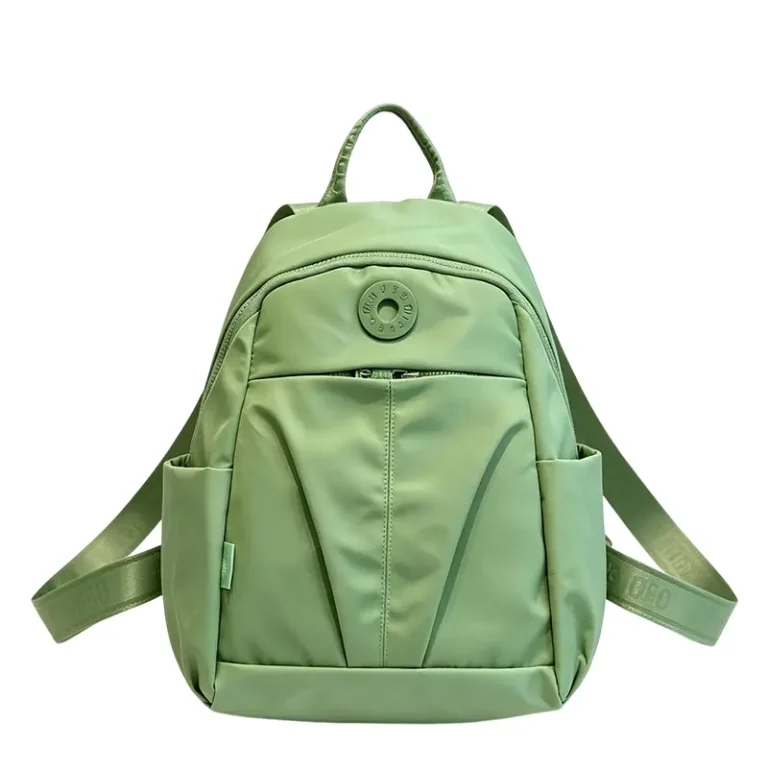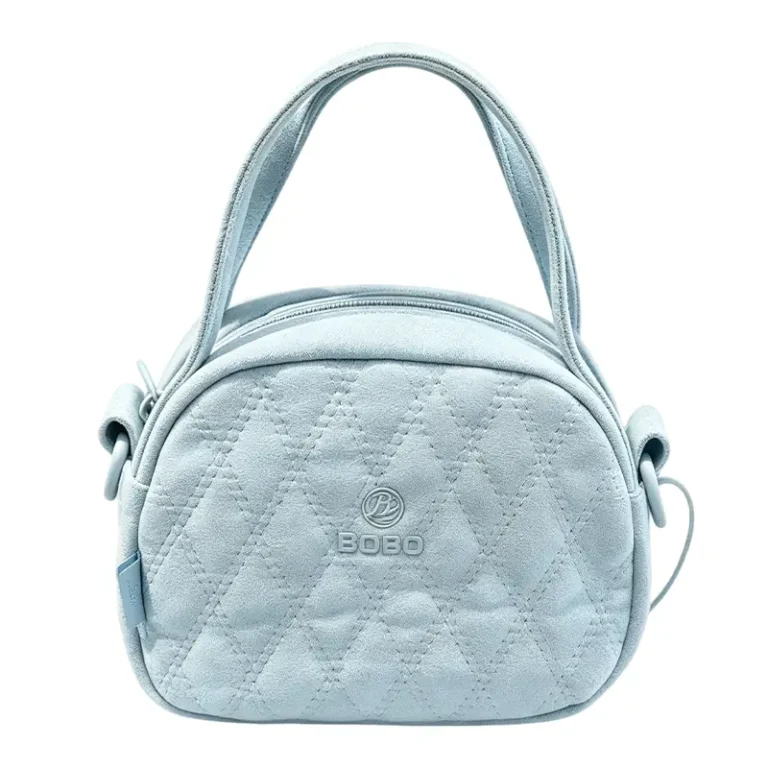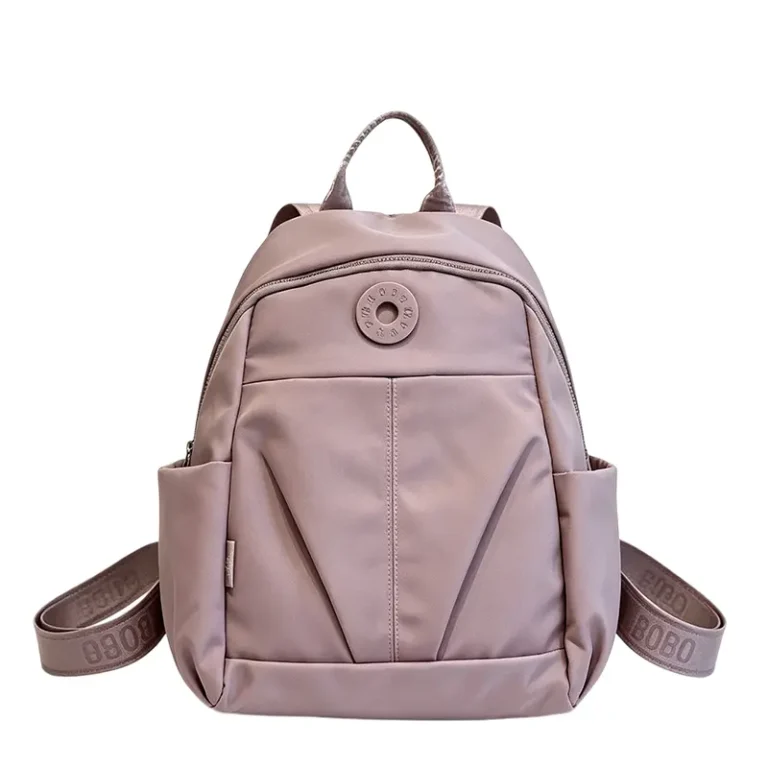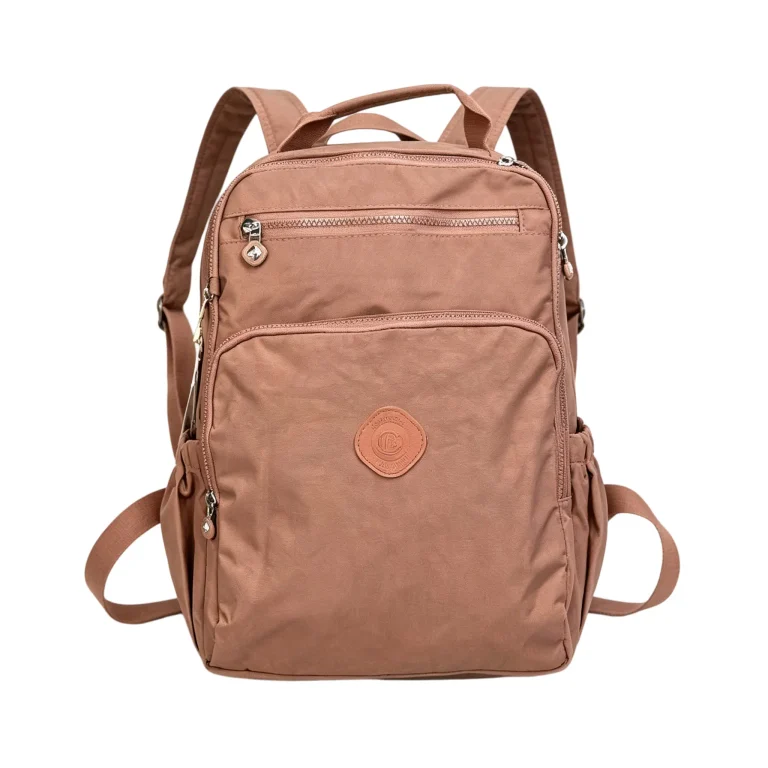
Open your closet and count how many canvas bags you own. Three? Five? Ten? If you’re like most people, the number is probably higher than you think. The question is: you clearly know “I have enough,” so why do you keep buying new ones? Behind this lies an entire sophisticated system of consumer psychology at work.
1. “Small Happiness” Economy and Micro-Compensation Psychology
Canvas bags typically fall in the $3-$12 price range, sitting in consumer psychology’s “micro-compensation sweet spot.” When work stress mounts or mood dips, purchasing a canvas bag provides an immediate, small-scale pleasure — this is “small but certain happiness.” It doesn’t require the deliberation and planning of a luxury purchase, yet the pleasure lasts longer than a bubble tea (after all, you get a physical object). The cloth bag is the “lowest-cost emotional management tool.”
2. “Low-Risk Self-Expression” Effect
Every cloth bag choice is an “identity projection,” but because of the low price, this projection is “low-risk.” You can:
• Buy a bag printed with “I Read Banned Books” to project an intellectual identity;
• Buy a museum limited edition to express artistic taste;
• Buy an independent designer brand to signal niche aesthetics.
If this projection “fails” (say, a friend thinks it’s ugly), the loss is only a few dollars — minimal psychological cost. This “low-risk self-expression” mechanism makes consumers willing to frequently purchase canvas bags in different styles — each purchase is a cheap experiment in “trying on a new identity.”
3. “Collector Mentality” and Availability Heuristic
Another psychological trigger for cloth bags is the “collector mentality.” Because canvas bags frequently release limited editions, collaborations, and seasonal versions, consumers easily develop an urge to “collect them all.” Behind this is the “Availability Heuristic” — when you frequently see photos of a particular limited edition on social media, your brain overestimates its “scarcity” and “value,” triggering purchase impulse.
Museum shops are particularly adept at exploiting this: the Louvre’s limited canvas bag is “only available in Paris,” and this geographic scarcity magnifies the perceived value of an ordinary cloth bag several-fold.
4. “Conformity Effect” and Social Identity Needs
When three people in your friend circle carry the same canvas bag, you unconsciously develop an “I want one too” impulse. This isn’t simple one-upmanship but a deep-seated social identity need — we reinforce belonging by consuming products consistent with our group. Because of their low price, canvas bags become a “low-barrier group marker.” Buying the same canvas bag as your friends is an unconscious act of “social confirmation.”
5. The “Moral Licensing” Effect of Green Consumption
There’s a concept in psychology called “Moral Licensing”: after performing a “good deed,” people gain a psychological “moral credit” that makes subsequent less-good behavior more likely. The eco-halo of cloth bags triggers precisely this mechanism — buying a canvas bag makes you feel you’ve “done something green,” which paradoxically may make you more relaxed in subsequent consumption.
For example, after buying a canvas bag, you might casually add a fast-fashion T-shirt to your cart — because you’ve “already contributed to the environment.” This psychology is subtle but pervasive.
6. “Ritual Consumption” and Meaning-Making
Many cloth bag purchases are not really about “buying a bag” but about “buying a memory.” A locally made canvas bag from a trip, a limited edition from a museum exhibition, a commemorative bag from graduation season — these cloth bags are imbued with emotional value transcending the object itself. They become “memory anchors,” evoking the context and mood of purchase each time they’re used.
Consumers aren’t buying a piece of cloth; they’re buying “a memory container I can touch at any time.”
7. “Manufactured Scarcity” and FOMO
Limited quantity (“only this batch”), limited time (“exhibition-period exclusive”), limited location (“only at this store”) — cloth bag marketing heavily uses scarcity strategies to trigger FOMO (Fear of Missing Out). When consumers feel “if I don’t buy now, I’ll never get it,” decision speed increases dramatically, and rational evaluation is compressed to a minimum.
Conclusion: Understanding Yourself Enables Rational Consumption
When we buy cloth bags, we’re never just buying “bags.” We’re buying emotional comfort, identity expression, group belonging, moral licensing, memory containers, and scarcity experiences. These psychological needs are not wrong in themselves — the problem arises when we use “hoarding cloth bags” to respond to all psychological needs, contradicting the cloth bag’s original spirit of “simple living.”
Next time you pick up a canvas bag and head to checkout, try asking yourself one question: “Am I buying this bag, or am I buying the feeling behind it? If the latter — is there a better way to get that feeling?”